Showing posts with label Wardliparingga. Show all posts

Saturday, 28 September 2019

Wardliparringa: Closing Health Gaps the Indigenous Way

By Taylor Wilson, 1st year MDP student

I would first like to acknowledge the Kaurna people as the traditional custodians of the Adelaide region, where the SAHMRI building is located; I recognize the Kaurna peoples cultural, spiritual, physical and emotional connection with their land. I honor and pay my respects to Kaurna elders, both past and present, and all generations of Kaurna people, now and into the future. I also pay respect to and acknowledge Aboriginal and Torres Strait Islander people from other parts of Australia, and their connection to country. I want to say thank you to the warm welcome I received from every single Aboriginal, Torres Strait Islander, and non-Indigenous person I have met here and for allowing me to come to their home and work with them.
Wardliparingga Hosts Reconciliation Event
Thank you to Wardliparingga for hosting me for the past few months and all their words of encouragement, guidance for this report, and allowing me to work with them. I would like to thank Dr. Natasha Howard for agreeing to supervise me and set up my work in the unit and making space for me in her busy schedule. I also would like to thank Dr. Karla Canuto for agreeing to co-supervise and being great help with all the edits and advice for the structure of this report. Finally, I would like to thank Professor Alex Brown for agreeing to have me in the unit.
My placement would not be possible without the funding from the Queen Elizabeth II Diamond Jubilee Scholarship.
--
Over the past twelve weeks at Wardliparingga, the South Australian Health and Medical Research Institute’s (SAHMRI) Aboriginal Research Unit, I’ve had the opportunity to work on their Aboriginal Diabetes Study (ADS). The ADS emerged out of the need to understand the burden, natural history, and complication development of Type 2 Diabetes (T2D) amongst Aboriginal and Torres Strait Islander people in South Australia. The goals of the study are to understand T2D and is complications, better predict the development of complications of it, improve the delivery of T2D care, and find better preventions.

Wardliparringa Staff Member Tirritpa
gives a tour of River Torrens
The study is one of a kind in that since it’s inception in 2016, it has gathered information from approximately 1200 Aboriginal and Torres Strait Islander adults 15 years and older across 19 population clusters in South Australia with the goal of 4000 participants. The assessment includes heart, eye and foot check, blood pressure and blood test. Participants are also asked questions about their medical history and lifestyle. Information is treated confidentially, and any immediate health issues are managed by the clinical team. The ADS team has partnered with local Aboriginal Community Controlled Health Services, SA health community clinics, hospitals and other health professionals involved in diabetes care. One of the greater things participants receive when becoming part of the study, which I found was a stand-out, was that they receive free health checks, health information regarding their results, free sunglasses and prescription glasses, as well as referrals to health professionals in their area. The ADS do a great job of ensuring all participants get as much as possible out of participating.

During my time with the ADS team, my job was to observe the team during their data collection in clinics and evaluate their data collection, health promotion, and overall interactions with the participants. My goal was to provide them a comprehensive report on what and how they can do better in interacting and sharing information with the Aboriginal and Torres Strait Islander people coming into the study. Overall, I discovered some incredible things. While there were a few areas for improvement on the data collection end, the areas around participant interaction is where I was most in awe. The team is so welcoming, and kind and it was reflected in their interactions. It was clear that they valued the social and emotional well-being of each participant and often went above and beyond to make the study a positive experience.

The team’s passion for care is definitely a result of the unit they work in. Every single person within Wardliparringa handles their respective studies in such a manner, making the unit an exceptionally welcoming hub for Indigenous health research. This may not seem like much, but as we know, there is a long history of general dis-trust of health care systems for Indigenous peoples across the world, and for Aboriginal and Torres Strait Islanders in South Australia, this is no exception. Having a research hub that approaches research from an Indigenous perspective, has Indigenous researchers, research assistants, and medical professionals, and focuses on health topics important to their Indigenous population is incredibly important for closing all kinds of gaps.

I couldn’t have been more lucky to be welcomed into such an environment for my placement. I encourage anyone reading this to keep an eye out for Wardliparringa and all the great things they will do in the future.

Taylor giving her final report presentation

Tuesday, 16 July 2019

All My Relations: Building Connections in South Australia

By Taylor Wilson, 1st year MDP student

Before I start this blog post, I would first like to acknowledge the Kaurna people as the traditional custodians of the Adelaide region, where the SAHMRI building is located; I recognize the Kaurna peoples cultural, spiritual, physical and emotional connection with their land.  I honour and pay my respects to Kaurna elders, both past and present, and all generations of Kaurna people, now and into the future. I also pay respect to and acknowledge Aboriginal and Torres Strait Islander people from other parts of Australia, and their connection to country. I want to say thank you to the warm welcome I received from every single Aboriginal, Torres Strait Islander, and non-Indigenous person I have met here and for allowing me to come to their home and work with them.  
SAHMRI building, Adelaide, South Australia
Six weeks into my placement at Wardliparingga, the South Australian Health and Medical Research Institute’s (SAHMRI) Aboriginal Research Unit, and I can safely say that this group of people have exceeded all expectations I had for coming to work here. Thanks to Implementation Science theme leader, Dr. Natasha Howard, I have been exposed to the various projects and academics that make up the unit. From the Aboriginal Diabetes Study (the first and largest of its kind) to the Barngarla Language Project. Then you have incredible Aboriginal and Torres Strait Islander scholars like Dr. Odette Pearson who works on understanding how policies and practices drive Indigenous health inequities; Dr.’s Karla and Kootsy Canuto who work in health promotion and Aboriginal men’s health (respectively); and theme leader, Dr. Alex Brown, an Aboriginal medical doctor who holds the unit together and pushes them to be the best Indigenous academics they can be. Not to mention all the incredibly talented up and coming young Aboriginal and Torres Strait Islander people who are working tirelessly on these projects as research assistants, administrative assistants, project officers, and so on. It’s incredible to see a team so steadfast in their Indigeneity along with non-Indigenous team members so supportive of their Indigenous colleagues.

Aboriginal and Torres Strait Islander peoples’ health, much like Indigenous health in Canada, is a vast sea of systemic issues and barriers, but the passion and fight that the Wardliparingga team has to make a difference and change the lives and circumstances of Aboriginal and Torres Strait Islander peoples’ is inspiring and commendable.

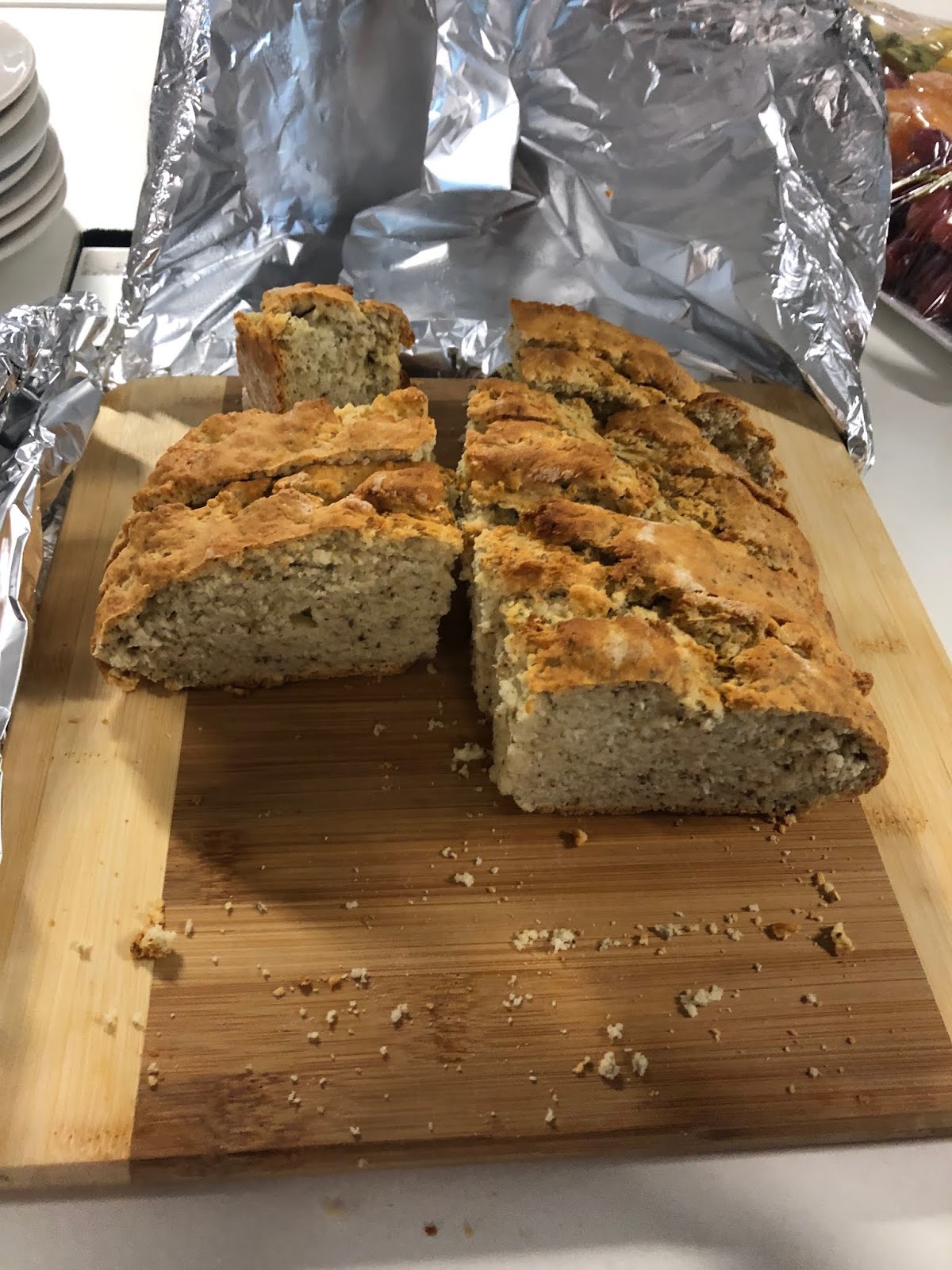
Damper - traditional bread
When I first arrived, I have to say I was nervous. Being Indigenous, but from another part of the world, I wondered if I would feel as connected here as I do at home. Being connected to land and people is what keeps me grounded, so would I feel the same here? During National Reconciliation Week (May 27 - June 3, 2019), the theme was “Grounded in Truth, Walking Together with Courage,” with the underlying theme of relationship building and connecting in a shared understanding. As I got to know more people, had more conversations around who I was and who they were, I began to feel more connected. I learned that their connection to the land and their language was just as important as my own. I learned that health inequities for Aboriginal and Torres Strait Islander people are incredibly similar to those we face in Canada and get to share insights and discuss Indigenous-led solutions. I got to share food with them and enjoy some traditional foods like damper (much like bannock from home), watch and listen to traditional Kaurna performances, and share stories of what it’s like being Indigenous where we are each from.

I am learning more than just the academic things I do at Wardliparingga. I am building more than just networks. I am only half way through my placement, and I am looking forward to what else I have to learn and sharing more of who I am with the people here.

Jack Buckskin and Dance Co. at the Gawler Reconciliation Event